Wheel Balancing
Dynamic computer wheel balancing eliminating steering vibrations at high speeds.
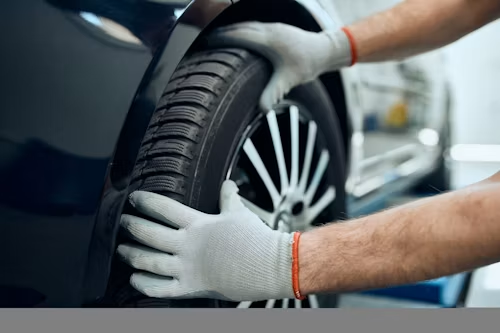
Service Overview
An imbalance of just 10 grams on a tyre spinning at highway speeds creates the kinetic force of a sledgehammer slamming repeatedly into your wheel bearings and suspension. This causes irritating steering wheel vibrations, scalloped tyre bald spots, and premature suspension fatigue. At Star Motorworks in Pakenham, Clyde North, and Cranbourne West, we use computerized dynamic wheel balancers to counterweight every wheel assembly down to the exact gram.
Computerized Dynamic Balancing Steps
Mounting the wheel assembly on a computerized balancer that simulates highway speeds and maps both static (vertical) and dynamic (side-to-side) force imbalances.
Applying non-corrosive adhesive-backed zinc weights inside alloy rims or high-grip steel rim clip weights positioned to zero out vibration vectors.
Wire-brushing surface rust and corrosion off the vehicle's wheel hub mating faces to ensure true, concentric seating with zero axial runout.
Hand-tightening wheel nuts to exact manufacturer torque specs with calibrated torque wrenches to prevent rotor warping and stud stretching.
Full Scope of Inclusions
- High-speed computerized dynamic balancing test for all wheels
- Precision clip-on or adhesive coated wheel weights placement
- Tyre radial and lateral runout measurement
- Wheel hub and rim mating surface cleaning and rust removal
- Torque wrench tightening to factory wheel nut specifications
- Tyre pressure check and valve stem leak check
Signs Your Wheels Need Dynamic Balancing
Frequently Asked Questions
What is the difference between wheel alignment and wheel balancing?
Wheel alignment adjusts the angles of the tyres so they point straight and meet the road correctly. Wheel balancing ensures weight is distributed evenly around the tyre and wheel circumference so it doesn't wobble or vibrate when spinning fast.